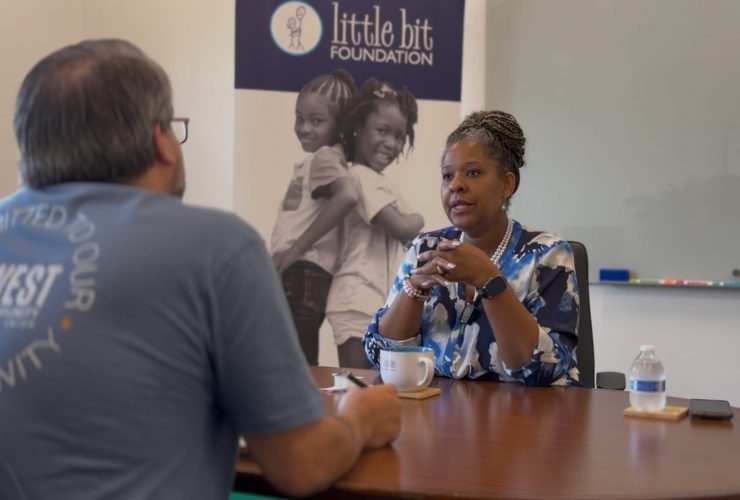
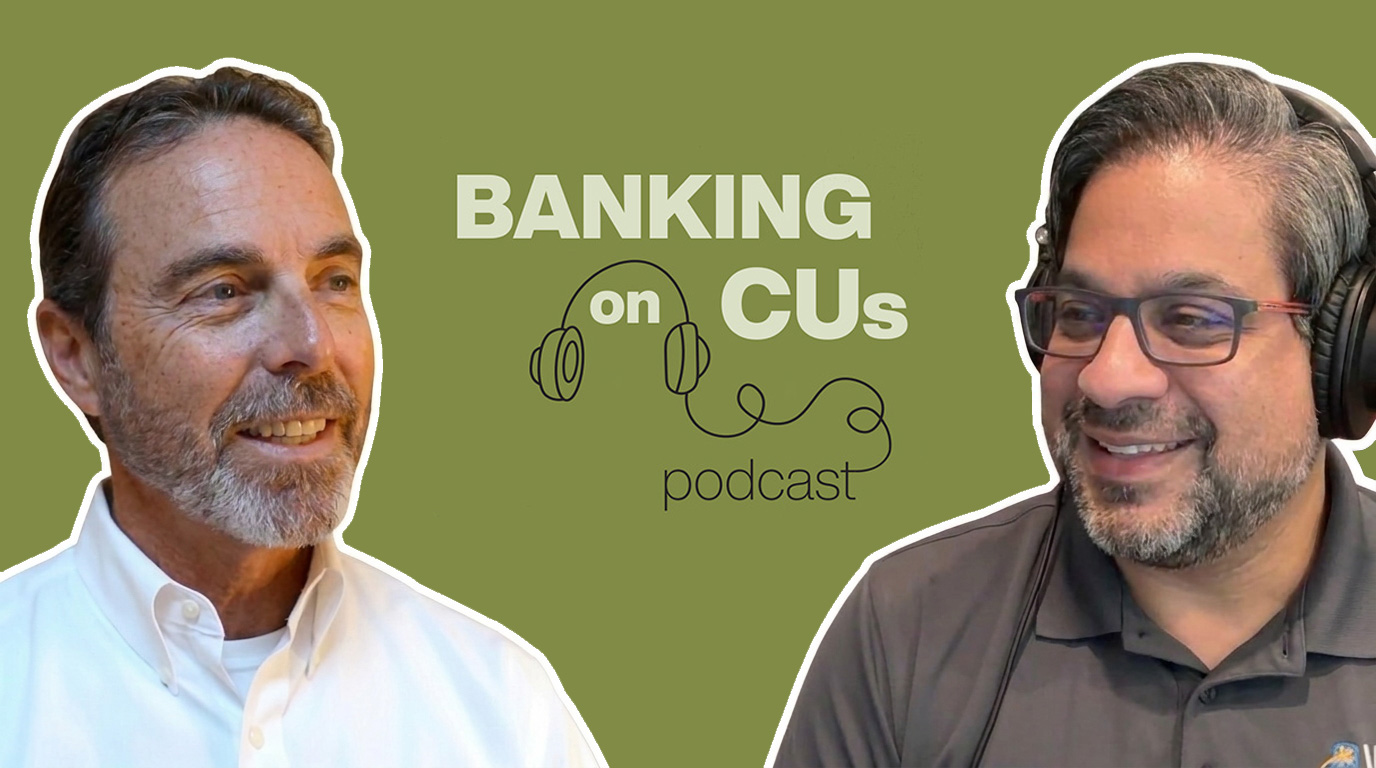
For more than four decades, Mike O’Brien has helped tell the story of credit unions. In this episode of Banking On Credit Unions, host Josh Rodriguez sits down with the longtime credit union leader, marketer, advocate, and recently retired industry veteran to reflect on a remarkable 41-year journey through the credit union movement.
Mike shares how a chance job opportunity in his twenties led him into a forty+ year career that would span credit unions, leagues, political advocacy and community development. Along the way, he discovered something many credit union professionals come to realize: This is a calling, not just a career.
Throughout the conversation, Mike reflects on the mentors who helped shape his career, the importance of storytelling in credit unions, and why collaboration remains one of the movement’s greatest strengths. He also shares memorable moments from years of advocacy work, including building relationships with policymakers, defending the credit union difference, and helping underserved communities gain access to affordable financial services.
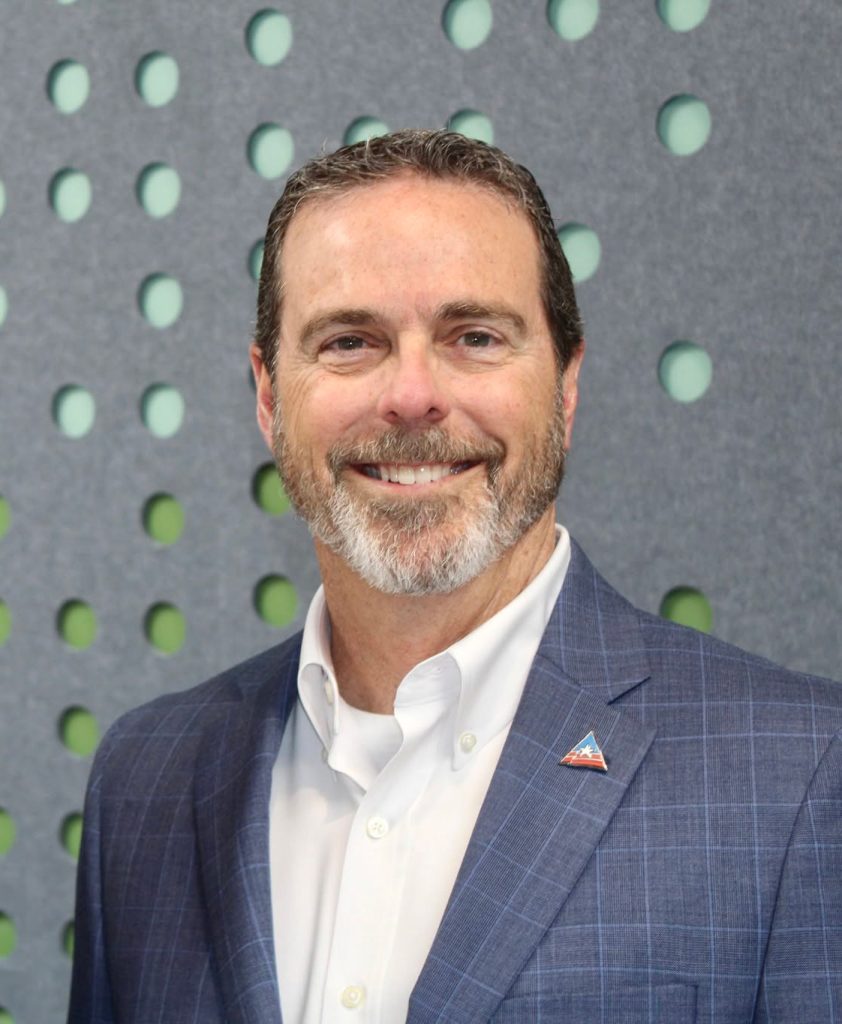
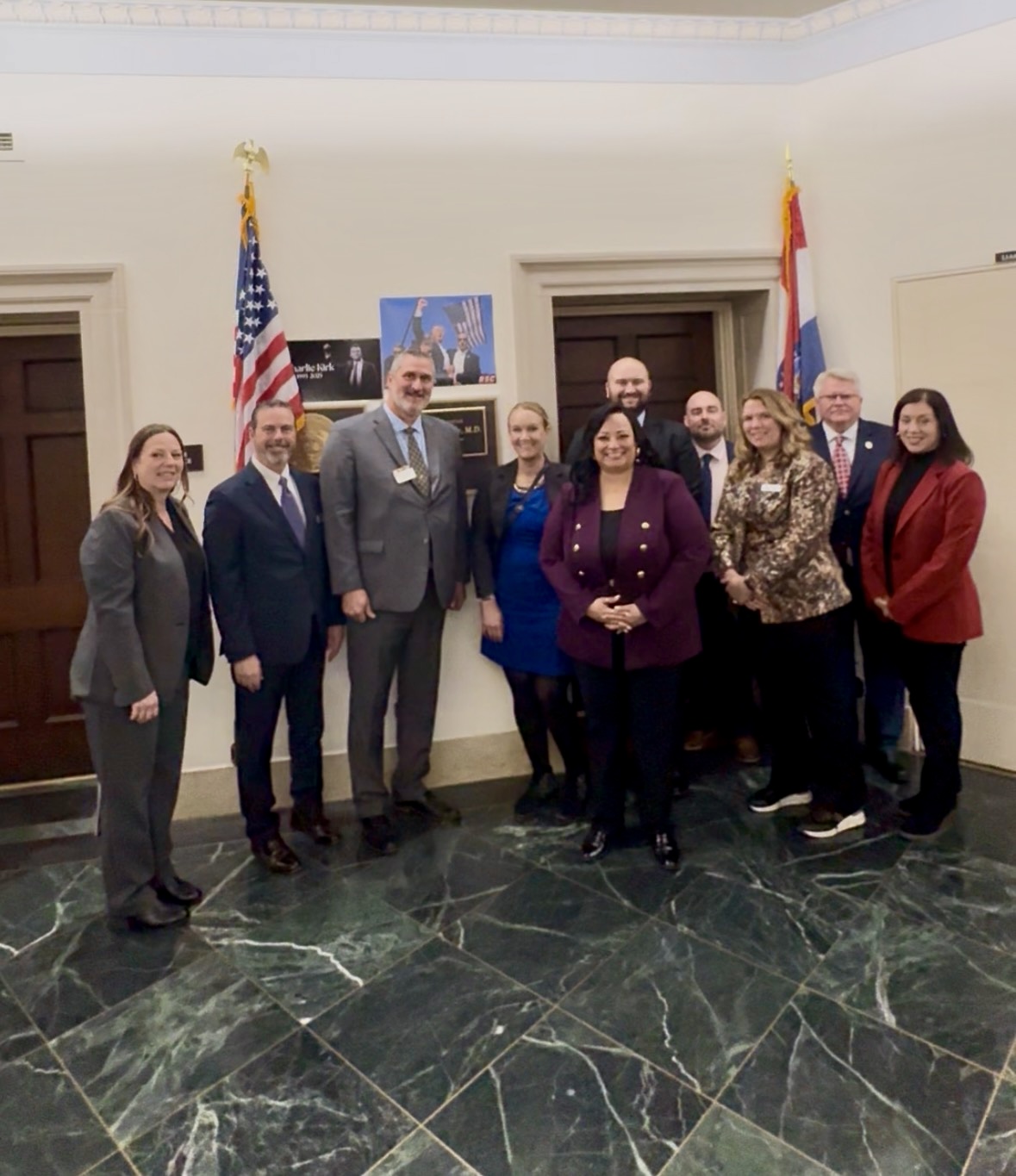
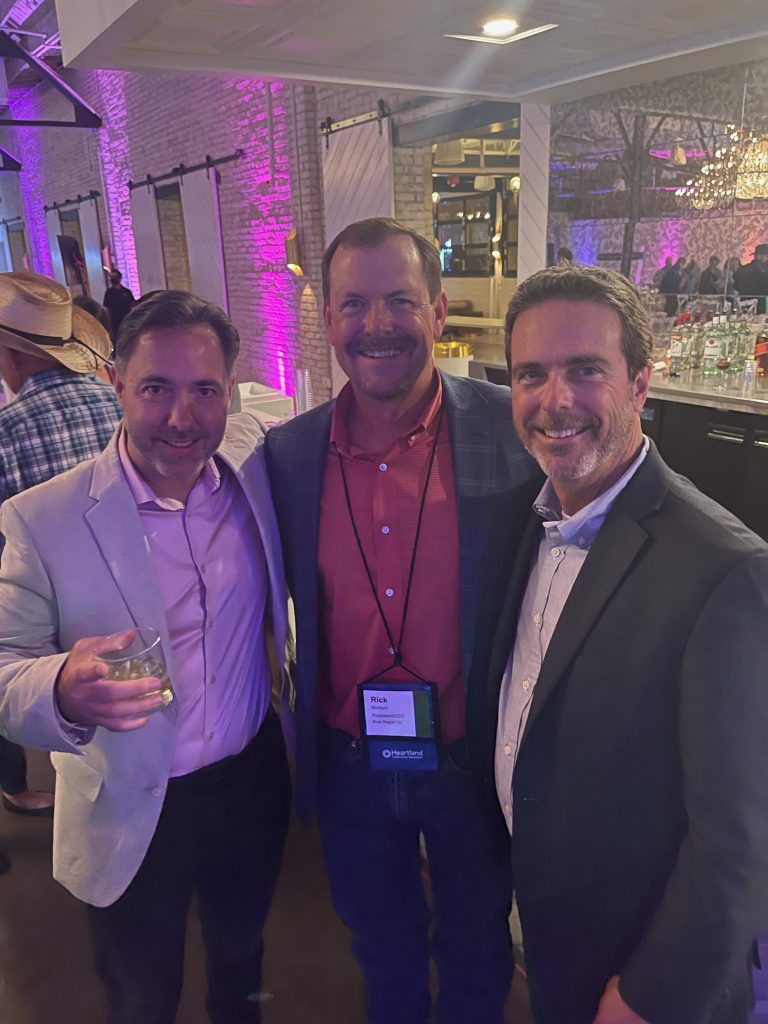
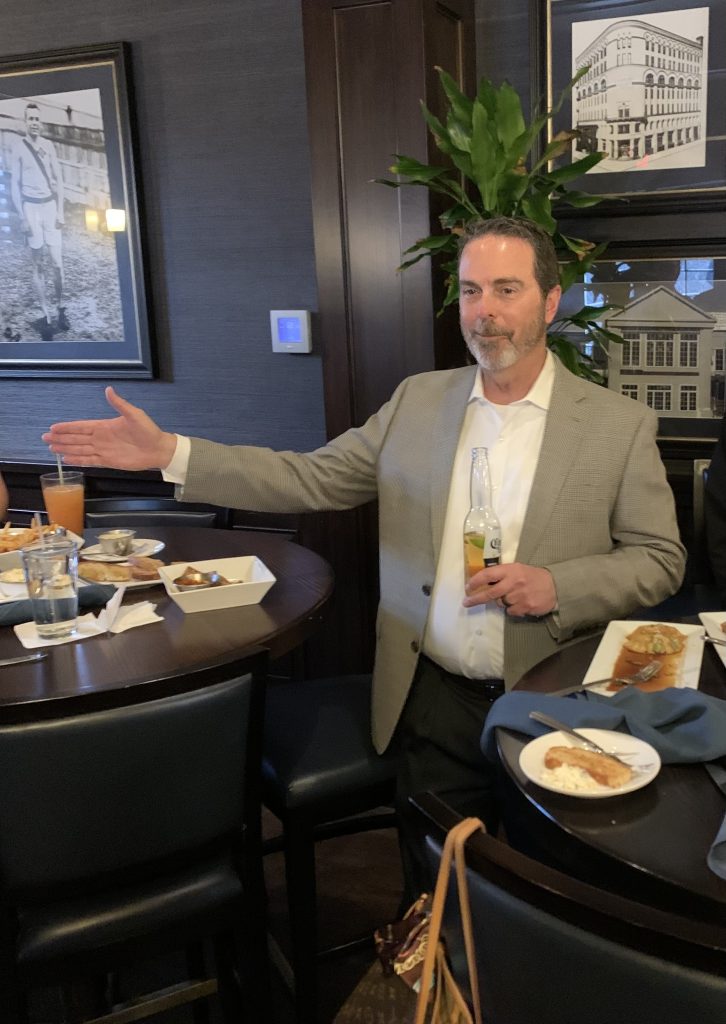
About Mike O’Brien
Mike O’Brien recently retired after more than 41 years serving the credit union movement. During his career he held leadership positions in marketing, communications, government affairs, community relations, business development, advocacy, and community development. He also served as a volunteer leader at the chapter and league levels and remains a passionate advocate for the credit union philosophy of people helping people.
How to Listen:
Subscribe on your favorite podcast player so you never miss an episode:




Follow Banking on You Podcast for updates and past episodes:
Facebook | Instagram | TikTok | Threads | LinkedIn
Banking on You is powered by West Community and Tigers Community Credit Union.
Transcript
Host Josh Rodriguez
Welcome back to Banking on Credit Unions, special Banking on You series that focuses on the passionate and dedicated warriors that make up the credit union movement. I’m Josh Rodriguez. Well, my guest today is Mike O’Brien, a longtime credit union advocate and someone I’ve had the pleasure of knowing since his days way back with the Missouri Credit Union League. Mike has spent more than 40 years serving in the credit union movement, holding leadership roles in marketing, communications, government affairs, community relations, business development, no matter his title, Mike loves out that credit unions are about people, relationships, and making a meaningful difference in the communities they serve.
Also along the way, Mike has been a journalist. He’s a published author, a dedicated volunteer, and a tireless champion for the credit union philosophy. Alright, let’s get to our conversation with Mike O’Brien.
All right, so I’m here with with Mike O’Brien. Mike, thank you for joining me today on Banking On You.
Mike O’Brien
Been great, Josh. Appreciate the opportunity to be here with you today.
Josh
Awesome. Thanks. Thanks so much. I appreciate you coming on. So this episode could be considered a celebration of your career in credit unions. Now correct me if I’m wrong, you recently retired earlier this year after forty years in the credit union industry. Is that right?
Mike O’Brien
I started in credit unions in August of 1985, so almost well, forty one years almost. So yeah, it’s it’s been quite the ride.
Josh
Awesome. Well, congratulations on your career and your retirement.
Mike O’Brien
Absolutely. Golf, a little bit of travel. just trying, you know, it’s been about six months, so just trying to figure out what the next phase of my life looks like. I certainly I don’t miss the daily grind, but I do miss the people and I love credit unions as you know, Josh. So at some point, you know, I definitely want to stay connected to the movement and I’m not quite sure what that looks like down the road. Maybe maybe a board member or something like that. I don’t know, but looking forward to the future.
Josh
You know, that would be great to bring your experience into the boardroom. Boards play a really important part of our, you know, the strategy of our institutions. And it’s important to have those that are well informed and that are aware of not just banking, but the movement itself, the heart of the movement, you know, our philosophy, how we help people. And and it’s really important to have credit union people in those positions. I think that would be a great place for you to for you to land.
Mike O’Brien
Well, thank you. And I and I couldn’t agree more. I’d like to think that, you know, after forty something years that I’d have something to offer, you know, a lot of experience. But as you said, I mean just maintaining that that credit union philosophy that we live each day, at the branch level, member facing level, to be able to also bring that to the board, I think is really important.
Josh
Just about every credit union professional I talk with has this like crazy entry story into credit unions. I don’t know that I’ve met, but maybe one or two that had a career goal into the industry, into the movement, and then did that. We all seem to have like ended up here somehow. So what was it like for you? How did you get in? Well
Mike O’Brien
It is funny, well, you know, when you’re a kid, it’s not like you think, when I grow up I wanna be a credit union person, right? You know it doesn’t usually happen. As a matter of fact, it wasn’t until I was like twenty years old that I had ever even heard the term credit union. My girlfriend at the time, her dad worked at Anheuser Busch in St. Louis and one morning, one Saturday morning, I was picking her up. We were gonna go out and do something. And she said, I gotta stop by the credit union first. And I was like, Credit union, what the heck is that? And so we, you know, we pull up to the local Anheuser-Busch branch and walked in. I said, we’re going to the bank, you know. So that was my, you know, first experience with credit unions. But fast forward three years later, and I was working at a small ad agency, you know, one of my first jobs out of college.
And we had a graphic designer who left and she went to work for the Missouri Credit Union League. at that time they had a small ad agency exclusively for credit unions. And she called me up. And yes, she called me. No cell phone, no texting, no email, anything like that. She called me and said, Hey, you gotta check this place out. They have a marketing consultant position available. I think you’d be great at it. What I didn’t know at the time was she also called one of my co-workers, who was also one of my he was a college roommate of mine at the time, and we were good friends. So here we were the two of us competing for the same job at the league. And ironically, I was at I had also interviewed at a larger ad agency at the same time. And I was really excited about that opportunity and hoping that I’d get that job. And I heard from the league first, and they called me and said, Hey, you know, we’d like to offer you the position. And I was like, great. Thank you. You know, I was like, and he’s like, Well, aren’t you excited? And I go, Yeah, absolutely excited. you know, when do I start? And so I wasn’t expecting to get an answer that quickly. So, but I often think back on it and had I been offered and taken the ad agency job at the time, how different. I mean, dramatically different my life would be today. and, you know, I mean it’s part of who I am as far as I’m concerned. I don’t even know what else I would have done. You know, something in marketing or advertising, but it just wouldn’t have been the same. You know, I met my wife through credit unions, and so it’s I don’t know if that’s some really crazy story, but that’s how I fell into the job thanks to a referral from former coworker and the rest is history.
It was vastly different back then. And I think when I started in ‘eighty five ’85, Missouri probably had close to six hundred credit unions and now now they’re down to under a hundred. So it’s it’s it’s a very different landscape. One of the cool things about credit unions back when I first started was the real small guys. like when I worked at Scott Credit Union, for instance, they started way before I was born. But a guy ran the credit union out of the trunk of his car and he’d d drive around Scott Air Force Base and people would make deposits into their accounts. And of course, you know, obviously that’s not something you could do today. But the other thing that that I got to see firsthand was there were a couple of credit unions that actually, they were teachers credit unions and they ran the credit union out of their house. So people would come in to to make a deposit or apply for a loan. They’d sit at the kitchen table, fill out the the paperwork. And I mean those were those were great times. I mean, I tell people when I always ask people when they ask me, What do you do for a living? I credit unions. They say, Do you know what a credit union is? no. I say, Did you ever see the movie It’s a Wonderful Life? yeah, yeah, it’s one of my favorite movies. Said the Bailey Brothers Building and Loan was a credit union. Okay, and that famous line where you know there’s a run on the building and loan, and guy wants his money, and Jimmy Stewart says, You’re I don’t have your money. Your money’s in Joe’s house down the street, you know. And I mean, it’s just there’s such a charm to that.
And I hope we even though that’s not possible to operate credit unions like that anymore, I hope we never lose that, that will to help people and to make a difference in their lives.
one interesting story I’ll tell you, Josh, that’s funny. I’ll never forget I started at the league on August twenty sixth, 1985. And I remember that because it was right before or s you know, right before the St. Louis Cardinals played the Kansas City Royals in the eighty-five World Series. And those of Cardinals and Royals fans know how that ended.
Cardinals lost game seven on a Sunday night and Monday morning I had to hop in the car and drive across the state from St. Louis to Kansas City for a a work trip. And I got to hang out with all my Kansas City credit union friends the day after they beat us in the World Series. So it was a miserable experience, I’ll tell you.
Josh
I’m sure it was. I’m sure they didn’t let you forget about it for for one minute the entire time. So you mentioned earlier when you talked about credit unions, you said “credit union movement.” And most of the time we’re we are referred to as the credit union industry. Now I think both of those are correct. However, tell me more about the “movement.”
Tell me more how that how that’s affected you as more than just an industry, more than just place places that make money, you know, just more than just banking. How is it a movement?
Mike O’Brien
Well, first of all, I think that’s a product of me or a result of me being introduced to credit unions through the league and through some of the legends who served the credit union movement at that time. I kind of see it as, you know, the the mid eighties as maybe the kind of toward the end of the golden age of credit unions, where we were adding more credit unions than we were losing.
I learned from people like Bob Hood and Herb Hunter who just were passionate about what they did. It was passion over paycheck. Between the two of them, they probably helped start up half the credit unions in Missouri. And to have them, you know, put you know, have them put me under their wing and and learn and and and just I came to realize that credit union work was more of a calling than just a job because of the impact you were having, you know, ultimately on members, but but at that time in my role helping credit unions help their members. And I’ve seen it, you know, I I’ve had a I’ve had a very unique career in that I’ve done a lot of everything in the sense that, you know, I’ve worked at the league, I’ve worked for three different credit unions.
I did a lot of political advocacy work, of course all the marketing. Worked as a volunteer both at the chapter level and I was a league board member. So I guess I’ve just it it’s become so much of of such a big part of my life that I just think we there there’s no credit unions there there’s it’s it’s bigger than any one credit union.
That’s why I call it a movement. It’s bigger than any one credit union or any one individual. We’re we’re much better and stronger together. And I think if we keep that mentality of this is something bigger than just our individual credit union, that’s what that’s what really is going to drive us forward and and ensure sustainable success down the road. The other cool thing was when when I first started at the league.
I had the privilege of traveling to at that time it was called CUNA, America’s Credit Unions, their headquarters in Madison, Wisconsin. And not only did it open my eyes to how big this was, you know, you had your local credit union, you had your your chapter, your state league, your national association, the world council. It just made me realize that this was something special and and I wrote about it. I wrote an article about my adventure, my trek to Madison and and that was published in the league newsletter at the time and it really got me off to a strong start and made me realize that that this is something special.
Josh
Yeah. Yeah. It and it really is. It really is something you know, we joke about it in the industry drinking the Kool-Aid and you know, getting hooked in, but it’s really true. The fulfillment, you know, what what we actually get out of doing this work is is almost can’t be quantified with money. It is it is an incredible feeling to be a part, even a small part, changing people’s lives. It really does happen. It’s not just something we say, it really it really occurs.
Mike O’Brien
Yeah, absolutely. A couple of thoughts on that, Josh. first of all, another gentleman that was kind of a mentor of mine in the early days at the league, his name’s Arnold Sandbothy. And he was I think Arnold’s, you know, he’s in his eighties now, but but he was from mid Missouri, kinda talked with the you know, a little southern drawl or whatever, and he would say, Mike, we gotta get you bit by the credit union bug.
And I laughed at the first time I heard that. But you know what? I did. I think when you surround yourself with people who are so passionate about what we do, what our mission is of people helping people and making an impact, changing lives and influencing lives. How can you not? I mean, it still it gives still gives me goosebumps when I think about it.
One time we did a…I was working for St. Louis Community Credit Union, which is a CDFI community development financial institution. And we did a marketing campaign called Reason to Switch. And we and again, this was all before social media and all that, digital marketing, because because I am a dinosaur. But but we asked, well, first of all, we promoted the different reasons why you should should switch to the credit union. but we also asked our members to tell us why they switched to St. Louis community or why they’re a member. And this story will stay with me forever, but a lady just gave her first name. We never found out who exactly she was, but she said at her darkest time the credit union was there for her when no one else was.
And if not for the credit union, she might not be here today. And that just I still get emotional when I think about that. And whenever I was asked to talk to our especially new employees and that, I tell that story that this is more than just taking an order or, you know, accepting a deposit or making, you know, what whatever you might do during the course of your day.
This is about having an impact on people’s lives. And when you look at it that way, how can you not come to work, even when you’re not feeling your best? How can you not come to work and say, I gotta be on my game today? Because who knows, another person like that lady might walk through the door and need help that no one else can give them.
Josh
Right, right. When you think about finances, you know, the dollar signs, decimal points, all those things. Yes, we have to pay our bills, we have to earn money, but it really is at the center of everything we do in life, right? Our financial well being. If it’s not doing well, then everything else starts to fall apart. If we’re not in charge of that, if we’re not overseeing our our finances properly, then everything else just looks really bad. And and to hear that, that individual was was at their darkest point, but just to know that she was in safe hands with her credit union and so she weathered through everything else that she was going through. That’s that’s increasing.
Mike O’Brien
Well, it’s true. I like to think we’re a safe place for many people. I truly believe you mentioned something about bottom line, and of course every credit union needs to manage their bottom line, but I truly believe if we do right by our members and we do right by our employees, they will do right by us. The bottom line will take care of itself. Really, you know, have our mission at heart in everything we do. And I know that’s maybe an oversimplifying it a little bit, but that’s our mission. That’s why we exist.
Josh
I don’t think it’s an oversimplification. I really don’t. I think it’s it’s truly the way that our movement has run, is operated. Because if we take too much of of the eye off of people, then we can drive numbers. The banks have proven it. Plenty of other institutions have proven it. Yes, you can drive numbers, but it’s often at the expense of people. And so, you know, when we make decisions based off of individuals, based off the our membership based off off of the demographics that we serve, then they in turn become part of the cooperative, which then builds the bottom line. You’re absolutely right. It’s it’s a different way of looking at things. Take care of people, they’re going to take care of your business. And it’s kind of a good principle in every aspect of life, right? You help people, you take care of people, it always comes back. There’s always a a great return.
Mike O’Brien
No question about it. you know, we could come up with the greatest marketing campaign in the world and get people in the door, but if they don’t have that experience, and I’m not just saying, you know, good customer service. I’m saying going above and beyond. I think when you when you do right by the member, they’re gonna be loyal to you and they’re gonna tell all their friends, family, neighbors, whatever. That’s the best form of advertising you can ever get. So you’re naturally going to to grow the credit union if you’re taking care of your members. And of course, you know, some sometimes there are folks we can’t help. I you know, I get that. But we like to say “no means not right now.” Let’s get you on a on a on a plan where get you on that path to financial peace of mind.
We used to talk a lot about that at the different credit unions I worked at. kind of meet folks where they are, not only in their stage of life or their their situation. You know, some folks, you know, are pretty far along, some are just getting started, some are way far behind and need just you know to be lifted up, a hand up, not necessarily a hand out, but a hand up and recognizing what those people’s needs are is is really important. Each individual person wherever they are.
Josh
I didn’t intend to share the story, but I’m gonna go ahead and do it anyway. About an experience I had when I was the, you know, CEO of Missouri Valley, young kid. I say young kid. To many he’s not a young kid. He’s in his twenties, you know. You get to that age, you start seeing, you know, everybody’s young. But he was in his early twenties and he applied for just it wasn’t very much. It was like forty five hundred dollars for an auto loan. He didn’t he didn’t qualify and so we denied it. I think he applied twice and then our loan officer had an interaction with his mom, and she came in and told us a little more about the story, which is really important. An application can just be a stale, used to be a piece of paper, now it’s just a screen. There’s always more, more to it than just that. And she explained that her and her husband were at home one evening and she was reading a book in her recliner, just comfortable. And he came to her and said, “you knew you know no matter what happens.” This was from the husband.
“I still love you, right?” And she was like, Yeah, yeah, yeah. Let me read my book. And went downstairs and committed suicide. Right, right that and so what this young young man was looking for was funding to be able to pay off his dad’s car, to drive his dad’s car. my gosh. And so when I heard that story, I told my loan officer we have to do whatever we can to keep him driving that car. He’s lost, he’s lost his father very suddenly. This car, it’s not it wasn’t a great car, like forty five hundred dollars, you know, it’s it’s probably got a ton of miles on it. But let’s keep him driving his dad’s car for a while. You know, that’ll mean a lot to him. And so we made some exceptions and did the loan. When they came in to him and his mom to sign the paperwork. he left the office for a moment to use the restroom and she just broke down in tears and she said, “You have no idea what this means to him. To hold on to this card for just a few just a little bit longer. You know, probably wasn’t gonna last him more than two or three years, but just to have this piece of his dad, just a little bit more.” She’s she said, You have no clue how awesome this is for him. And you know what? It was easy for us to do. It really wasn’t hard, even for an institution of our size. You know, forty five hundred dollars was not gonna break us. But man, we could make a huge difference in a kid’s life and give him a little piece of something that he had that he had lost. And I was glad to do that. Don’t know where the story went from there. it really doesn’t matter. We we made a difference at that moment and I hope he was able to carry that on for a long time.
Mike O’Brien
Josh, that’s a that’s an incredible story. I’m, you know, again, goosebumps. I that’s and there are there are hundreds, if not thousands, of other stories like that. Credit unions, you know, throughout the country that do that sort of work. It’s it’s again, I see it as a calling. I really do. But if those stories get around that, hey, credit unions are truly here to help, we don’t judge, we help, we don’t you know, we’re not trying to sell, sell, sell. Our our our mission is to solve. Sell. Don’t sell, solve.
Josh
It’s good. I’ve never heard it put that way before. I like it.
Mike O’Brien
Yeah, and it’s something we used to talk about a lot at my very you know, a couple of different credit unions I worked at. And again, if you go about it that way, we’re gonna win. You know, we’re gonna win the the hearts and the and the business of a lot of people out there.
Josh
So you mentioned at one of your positions, you oversaw a very unique effort to reach the underserved. Yes. And I think that was called “Red Doe” with St. Louis community. and so can you talk a little bit to that? Because that was it’s a very unique effort. I know it for multiple reasons, you know, it’s not around anymore, but what a great reach to people that really need help. Ta little bit.
Mike O’Brien
Yeah, I’m glad you asked about that, Josh. I kind of glossed over it. But you know, when we became a community development credit union, I think it was maybe around 2008 or so. You know, again, we were our our mission was to serve the underserved. And we were trying to figure out a way to do that beyond just helping our members, and also to do it.
Not necessarily do it on the backs of our members. So in other words, try to find other funding sources to help expand our reach in the LMI community, low-to-moderate-income community. And so we s first we started a foundation. It was called Prosperity Connection. And the the primary purpose of the foundation was to promote financial literacy. And more importantly, I like to call what I like to call financial capability. So even the banks do financial education, you know, do education sessions and things like that. But once you have the information, we you know, where where do you where do people go who maybe don’t have the best history, where do they go to actually have services, products and services that are gonna help them lift help lift them up? So we first step was we created those products and services, you know
Alternative to payday lending, second chance checking, credit builder loans, all of those products that are kind of almost mainstream today, but we were kind of on the cutting edge back then. And we had we we made a a conscious effort to have a little higher risk tolerance too, as a result. And we had a staff that could relate to our members and folks who were struggling, maybe even lived in some of the same neighborhoods who really was there to to help, not judge. And so that made a big difference. So then we we created Prosperity Connection and and soon after we realized we ended up spinning that off because we realized we could get philanthropic dollars from the banking community to help fund our efforts, but they wouldn’t give it to the credit union, obviously. But they would give it to the foundation. And very nice. And so that’s when we used some of those dollars to start up what’s called the Red Doe Money Center. Well, you know, I’m getting around to it. Red Dough Money Center. It was a nonprofit alternative to payday lending and check cashing. And we opened two retail outlets to do that. The whole idea was if and when we did make a profit, we would funnel those dollars back into the operation and open more branches and so forth. We got off to a pretty good start, unfortunately though, COVID hit and derailed everything. The industry dramatically changed after that, went more to an online platform. You know, we were set up as a retail platform. I even had the opportunity to testify before our state legislature on on payday lending.
And you know, everybody wants to get rid of payday lending because it’s predatory, but the reality is unless there’s an alternative, these folks are gonna go to, you know, the traditional loan sharks and all of that. You can’t just get rid of something without another another possibility.
Josh
There’s a lot of individuals that rely on these types of products. Sometimes we forget about that because maybe we’ve never used one of them, but there’s a very large portion of society that needs help.
Mike O’Brien
You know, I one of the biggest blessings I had in my career was, I’m not shy about this, but going to work at St. Louis Community Credit Union, being a working for a CDFI, realizing, you know, that folks have challenges in their lives that are beyond what they had anything to do with, you know. And yeah, sure, there are people out there that that screw up and maybe are negligent and all that, but vast majority of of people they’re hardworking and they’re trying to make ends meet. And and they just need someone to show a little faith in them and yeah and to be there, have their best interests at heart.
And it really was a game changer for me when I went to work there. I didn’t know what I was getting myself into. It’s kind of a fish out of water, you know. And it’s one of the highlights of my career actually.
Josh
Let’s let’s talk a little bit about the advocacy efforts that you’ve had over the years. I know you spent a lot of time going to GAC. How how many times did you go to the GAC Conference?
Mike O’Brien
I started. I went to my first one in two thousand seven, I believe. And I only missed well, they they had a virtual one during COVID. But so I don’t know what it I guess maybe eighteen of them, something like that. Yeah. Wow. Yeah. So it was it was like the Super Bowl of conferences and super bowl of political advocacy work. So I strong I highly recommend it.
Josh
So tell us a bit about political advocacy itself. Like what does that really involve? What what was that like? Boots on the ground.
Mike O’Brien
Well well first of all, I was never really politically inclined. So it’s it’s not like you know, I a lot of people say, Well, I hate politics. I said, Well, it’s yeah, unfortunately it’s a necessary evil. But I often you know, often say that we joke that if you’re not at the table, then you’re on the menu. Okay. Meaning that the bankers are, you know, public enemy number one.
And they’ll do and say anything they can to disparage credit unions, try to take away our tax exempt status, telling all these horrible stories about us. And if we’re not there first and foremost to tell our story, then they’re they’re crafting the narrative for us. It’s all about building relationships with lawmakers. and it’s not a partisan thing at all. If you’re a friend of credit unions, then you’re a friend of mine. That was the way I looked at it. It was a singular focus. We were here to talk about credit unions. I could I could disagree with you, Mr. Congressman, on every other issue, but if we can if we’re on the same page with credit unions, then I know I have your support. And and it’s important when, if and when the time comes where we need their support. If you just show up when something’s going, you know, not going our way, I mean, why should they listen to you? You’ve got to build some trust. You’ve got to build some credibility. We try to position ourselves as educators, if you will. Let’s educate our lawmakers on the issues. And let’s position ourselves as a credible source for information so that if they had questions, they can come to us and talk to us about it. You don’t have to be a lobbyist. I was never a paid lobbyist. but you go in there and you talk the issues, but you also tell stories. People would say, you know, what do you do? And I’d say, Well, I’m a professional storyteller.
My job is to make sure people understand, whether it be lawmakers, whether it be community leaders, whether it be business owners, whoever whoever. you know, this is who we are, this is what we do, this is why we do it. This is why this issue that you you’re supporting right now might have unintended consequences and ultimately adversely affect your constituents. And by the way, we’re on the same team. We’re serving the same people. And so I think once they they hear that message often enough and they see you regularly, you kinda begin to make headway so that when we do really do need their support, they’re gonna listen. And it’s it doesn’t happen overnight, believe me.
Josh
Just as those stories inspire our own you know, those within our movement, we need those to solidify the work that we do with with policymakers and and how we are really affecting the lives of individuals. So our stories are important not just for marketing, not just to grow, but to to keep our standing as as a movement, as an industry, and to continue to be able to do the things that we do because it’s very important for us to be a tax free movement, tax free industry.
Mike O’Brien
Absolutely. When when people have asked me, you know, what do you what do you consider to be the the highlight of your career or the the you know, maybe your biggest accomplishment or whatever and it actually, even though I was marketing person all these years, it actually was in the something that happened on the political side, political advocacy side and this was like probably around 2008, 2009, something like that. And we went to visit a US congressman out in Washington, DC. And we it was the first time I had ever met him. And he was trying to tell him, you know, we had of our 50,000 members at the time, 40,000 of them lived in his district. So again, I was trying to communicate to him that or that we’re on the same team here. Well, he wasn’t buying it. He, you know, he had this preconceived notion, credit unions were just lumped in with banks. We were all bad guys trying take advantage of his his constituents, many of whom were low to moderate income, living paycheck-to-paycheck. And I said, Congressman, next time you’re in district, why don’t you come visit our our credit union and we’ll show you around and kind of meet some of our staff and all that. He goes, “Why would I ever do that?” He had no desire. He didn’t want to listen to me. And you know, he was really kind of ignorant to me, to be honest with you.
So I walked out of there. I was totally dejected. And the late great Hubert Hoosman, he’s about a foot taller than me. And he puts his arm, tries to put his arm around me. And he says, “Mike, you did a great job. Just stick with it. He’ll come around. He’ll eventually come around.” I said, “Yeah, right, Hubert.” And so anyway, long and short of it is, I kept at it.
Built, you know, continue to build a rapport, finally got him to agree to come visit our credit union branch, which was in smackdab in the middle of his district. We like to say the building was function over form. It was, you know, vintage 1970s, white brick building, ugly. He got to meet our CEO. He couldn’t believe that his office was actually in that building. And I think he’s he’s he realized that I wasn’t blowing smoke.
But it took many years to kind of build up that relationship. And toward the very end of his of his term in office, I was standing out in the hall, I was in Washington, DC, hiked a hill, standing outside of his office, waiting for a meeting. He walks by and he says, Mike, wait right there. I’ll be right back. Like, okay. He runs around the corner, comes back ten minutes later, and he has this small box and he says, Here, I want you to have this. Open it up. And it was congressional cuff links that he gave me. He said, “Hey man, I appreciate you. I want you to have this.” And I was flabbergasted. I went from him practically kicking me out of his office, you know, like 10 years before, to him gifting me these cuff links. And I was like, wow. Well I was right. I I still think about that. I have his number in my cell phone. you know, see him occasionally and but that’s what it’s all about, you know, and and did we agree on every issue? Heck no. Heck no. But it was I think that’s why it’s important because it made a difference as far as our little corner of the credit union world was concerned.
Josh
What inspired you when you first came into the industry? You were able to rub shoulders with these giants of of of credit unions and and also these stories. So as you are now one of these giants, Mike, how would you inspire, you know, a young a young Michael Bryan coming into the industry in twenty twenty six?
Mike O’Brien
Well, that’s a that’s a great question, Josh. And you know, I’ve thought about this a little bit. You know, you I’ve had time to reflect, you know, over the you know, especially as I was getting ready to retire on you know the different people that I’ve met along the way, the friendships, just what I’ve learned. And I think first and foremost, you have to think bigger than be you have to think beyond your four walls.
As I said earlier, the credit union movement is bigger than any one credit union or any one individual. And so so networking, but not networking like just you know, for the sake of it, if you will. Get involved in activities outside of your credit union, but within the credit union system. So in other words, I got involved with at the chapter level.
If your credit union still belongs to a chapter, I know that’s kind of dying too, but here in St. Louis we have a fabulous chapter. I would say, you know, probably at least six, eight, ten different credit unions have employees that volunteer their time for that chapter and make it I think that’s it builds that camaraderie among credit unions. There’s so much business out there, we don’t have to compete against one another.
And when we do, it’s it’s should be a friendly rivalry, right? But getting to know other people, other credit union people who are equally passionate about the movement and giving back a little bit, but you’ll receive so much more in return. Finding a mentor who will help you get bit by the credit union bug, right? Not only has experience in banking and all of that, but really lives and breathes the credit union mantra. I think those are two things that I didn’t even know I was, you know, didn’t even it just happened for me back then. I didn’t seek it out. I was around enough quality people who made that happen for me. The collaboration amongst credit unions is insane, right? I mean can you can you imagine, you know, the the bankers getting together and sharing best practices.
Josh
Yeah. Yeah, no. No. I mean j even in other industries. It just doesn’t happen. It just doesn’t happen. The level of collaboration and cooperation in the movement, it’s simply off the charts. And it’s one of the beautiful things about it.
Mike O’Brien
I can’t emphasize that enough. Just get involved. if you just stay tethered to your desk and just worry about your day to day responsibilities, and obviously that’s important. You know, your credit union signs your paycheck. I get that. But it’s if you do that, it’s just gonna be a job. Just surround yourself with good people who live and breathe credit union work and you’ll be well on your way.
Josh
Thank you for joining us. This is Banking on Credit Unions, a Banking On You series that focuses specifically on the credit union movement. It’s hard to believe we are speeding toward the end of season two with just a few episodes left. Would you do us a huge favor? Help us close out season two by subscribing to the show on Apple Podcasts or Spotify. And go ahead and leave us a comment as well. Remember, you can find Banking on You on all the socials @BankingOnYouPod. Thanks for listening. Banking on You is powered by West Community and Tigers Community Credit Union.
I’m Josh Rodriguez. Catch you next time.