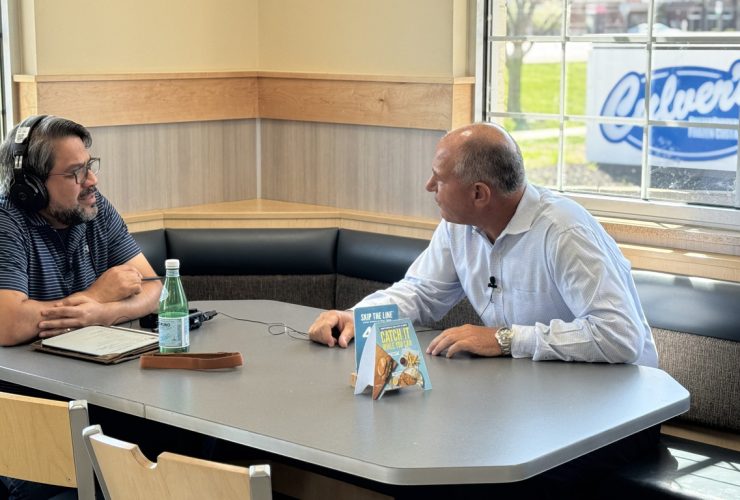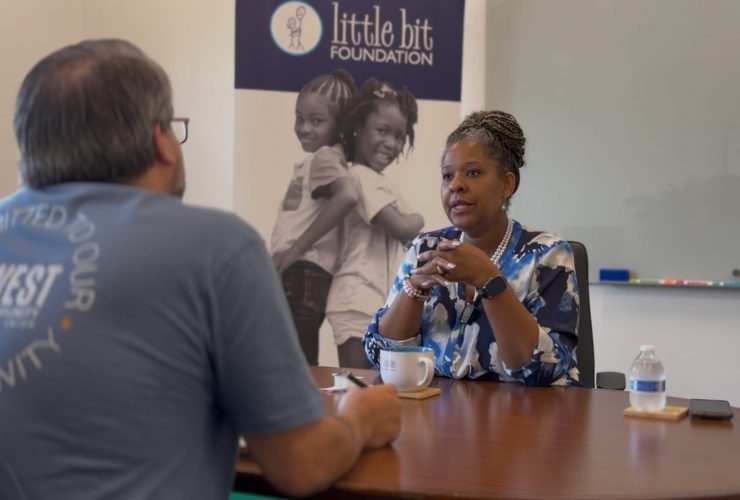
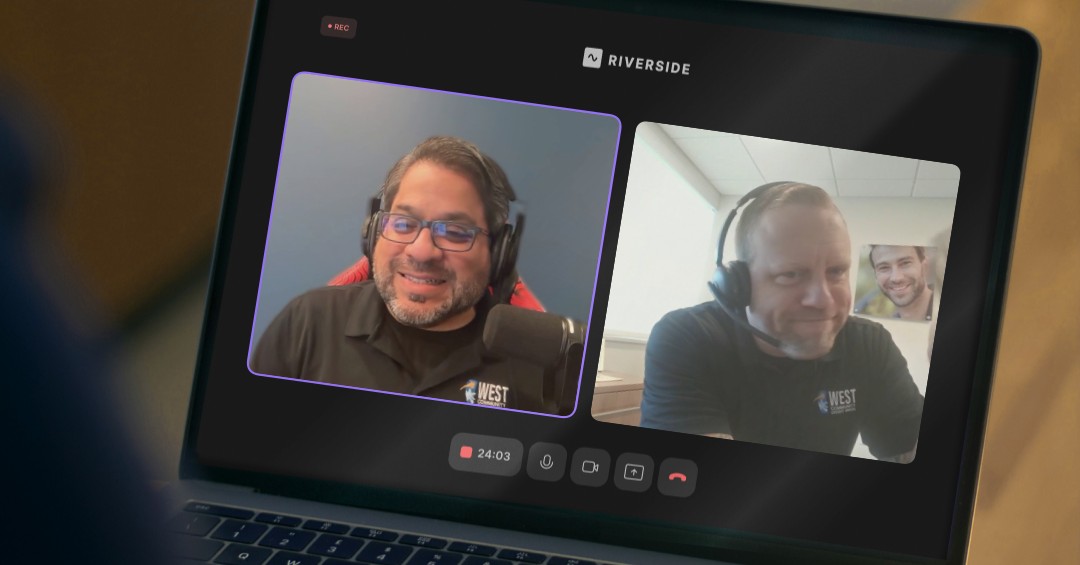
In this conversation, Josh Rodriguez interviews Brock Martin, the Director of Fraud and Financial Crimes at West Community and Tigers Community Credit Union. They discuss Brock’s unique career path from law enforcement to financial crimes, the surge of fraud during the COVID-19 pandemic, the evolution of organized crime, and current trends in scams.
Brock shares insights into the tactics used by fraudsters and highlights the importance of protecting vulnerable populations, particularly the elderly. He also provides a detailed case study of an email compromise that led to significant financial loss for a member.
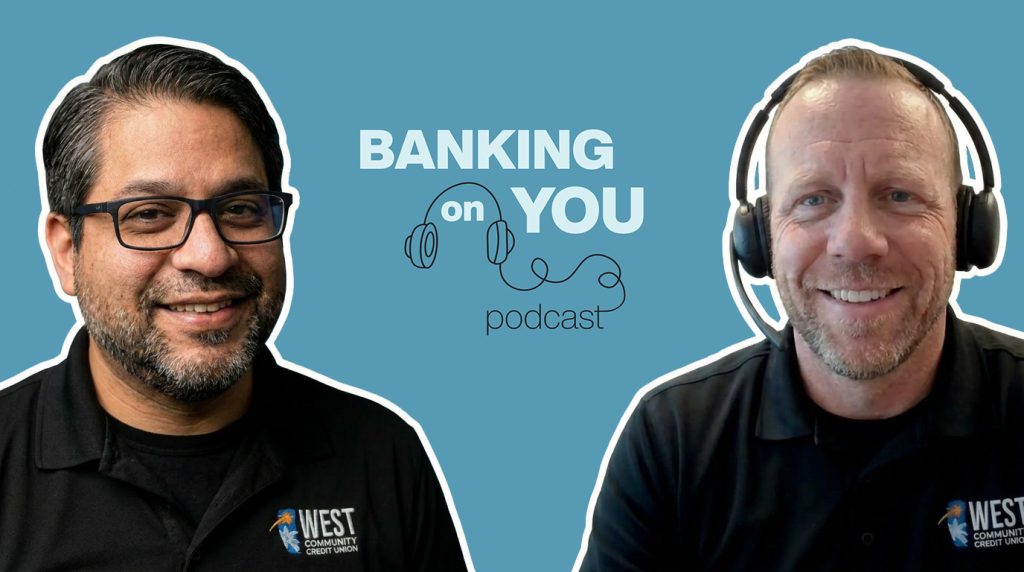
We delve into the complexities of financial fraud, particularly focusing on ACH and Bill Pay fraud, celebrity scams, and the emotional manipulation involved in these schemes as they discuss the scale of financial fraud, the importance of proactive measures, and the need for consumer awareness. They emphasize the role of technology in fraud detection and the significance of community outreach in educating members about potential scams and the importance of trust and verification in financial transactions to protect consumers from fraud.
Links & Resources:
Stay on top of current fraud alerts
Fraud detection & prevention tools
As a general guideline, be highly suspicious anytime you are asked to provide personal information over the phone, or by text or email. And make sure to follow the credit union on social media for the most current scam details every #FraudFriday.
How to Listen:
Subscribe on your favorite podcast player so you never miss an episode:




Follow Banking on You Podcast for updates and past episodes:
Facebook | Instagram | TikTok | Threads | LinkedIn
Banking on You is powered by West Community and Tigers Community Credit Union.
Transcript
Host Josh Rodriguez
Hey, welcome back to Banking on You. I’m Josh Rodriguez. Today we’re chatting with Brock Martin, West Community Credit Union’s Director of Fraud and Financial Crimes. Before his credit union career, Brock served with the Norfolk, Virginia Police Department as both a narcotics investigator and a financial crimes investigator. So yeah, he’s seen a lot of stuff. You know what makes his perspective so valuable is that Brock’s seen fraud from both sides.
First as a frontline investigator, and now as a leader building fraud programs inside a financial institution, credit union more specifically. He brings that practical investigator first mindset to protect your members, while also thinking about how to build the systems that can keep up as fraud keeps changing. And let me tell you, financial fraud is out of control and absolutely on the rise in the United States. Nearly everyone listening right now has either been a victim of financial fraud, or you know a close friend or loved one who has. It’s quite disturbing and the numbers are staggering. A trillion dollars was stolen from consumers in 2025. We’ll talk more about that later on. Okay, let’s jump into some fraud talk with Brock. Hmm. That has kind of a nice ring to it, doesn’t it? Alright, here we go. Fraud talk with Brock.
Now Brock Martin is our director of fraud and financial crimes here at West Community and Tigers Community Credit Union. Now I hope that doesn’t mean that you’re the director of fraud and financial crimes. That would be a little like a double age.
Guest Brock Martin
I’m the director of Getting Rid of Fraud and Finance. There you go. Right, right. It just doesn’t flow as
Josh
It doesn’t sound good in a title like that.
I think from what I know of your career and your history, I think you might you win two different prizes. First is one of the most unique and fascinating career paths for someone that works at a credit union. And the other one is probably the most number of broken bones of any credit union professional that I’ve ever heard. So let’s dig into that. I want to hear some more about your history and what brought you down the, you know, your career journey to land at a credit union.
Brock
Yeah, I think the the career path and the broken bones probably go hand in hand. I I came from a background in law enforcement, so you know, I got into law enforcement very young. Pretty much graduated high school, went to college for a year and kinda thought, yeah, you know, this really isn’t for me. Always kinda thought I wanted to get into law enforcement and so I did. Got into the police academy. I was nineteen when I got hired by the the city and yeah, you know, it was all uphill or downhill from there, I guess. However
Josh
So you’re not you’re not originally from the St. Louis area, right?
Brock
No, I’m not. I was actually born and raised in Grand Rapids, Michigan. and then when I was nineteen I moved to the Norfolk, Virginia Beach area of Virginia. when I got hired by the police department down there and lived there for twenty years. So I was there from ’06 until 2026 when I moved out. Well, actually I take that back nineteen years, the end of twenty twenty five. So I moved out here in October of twenty twenty five after I’d retired from the police department and started here.
Josh
You retired actually as a as a detective, right?
Brock
I did. Yeah. Did I retired out of financial crimes. Which is how I ended up ended up in banking. But you know, if you’d told me twenty years ago I was gonna be in banking, I’d a told you you were crazy. yeah, I started out on patrol like everybody does and then I went from there to the SWAT team. I was young, I was in my early twenties and it was fast and it was fun and it was exciting. and then went from the SWAT team and went to work undercover narcotics, which actually I spent most of my career working undercover narcotics, which also involved a lot of financial crime aspects also, you know, money laundering and and all those things that come along with drugs and you know, all the underground crime and yeah, trying to figure out how to clean that money up. and then I was given an opportunity by one of my sergeants to come over to financial crimes.
And I said, Absolutely not, you must be out of your mind. That sounds horrible and boring And he said, Well, he said the hours are Monday through Friday, nine to five so you know, I went home and talked to my wife and she said, Yep, you’re gonna try that And Yeah, yeah, yeah, you know, after I don’t know, fifteen, sixteen years I guess and
Josh
That’s the kind of boring she wanted for you.
Brock
You know, late night hours and getting called in and not coming home for days at a time and and all that kind of stuff. You know, I think she was looking for a little bit of regularity and I’ll be honest with you, I thought it was gonna be awful. So I went back and and talked to my sergeant and I said, Hey, listen, I said, I’m being told I’m gonna give this a try, so I’ll give it a try and he said, Well, if you hate it, tell me, you know, and
I’ll get you where you want to go, but just give it a shot. And I tell you what, I fell into it and I absolutely fell in love with it. they were you know, I’ve worked investigations, everything from, you know, petty theft to homicides, you know, and and I gotta tell ya, the financial crime investigations were some of the most in depth, just absolutely intriguing investigations that I ever worked and just right from day one I fell into some really great cases and just just loved it.
Josh
What what kind of what kind of cases, if you could just give us an ex an example or two, what kind of things did you come up against during those times?
Brock
Yeah, you know, at that time, so when I got into financial crimes, it was kind of right at the onset of COVID and fraud just I think as we all know, just kinda blew up during COVID. So, you know, what what we really saw a huge, huge increase in was the the check fraud, the identity theft just went crazy. A lot of the scams, I mean, just ramped up because there were so many new things for them to prey on.
So many people were just isolated for so long that, you know, they didn’t I don’t wanna say they lost sense of of reality, but in in a way they kinda did, you know, they lost touch with the outside world a little bit because we were all cooped up in the house. So, you know, people would call and say, Hey, I’m Joe and I’m from the government and I’m here to help and you know, a lot of these folks they they believed that. And so, you know, these folks preyed on them that way.
So a lot of the sadly, you know, a lot of the elder abuse scams really took off. a lot of the financial exploitation from home health care workers and caregivers unfortunately, really took off because there was a big loss in oversight with, you know, controls and restrictions on who had access to to who and you know, in in a lot of these care facilities and things of that nature, you know, family members who came every day to to see their loved ones and provided some oversight and guidance to these folks, they couldn’t. They couldn’t go see So unfortunately, you know, just like any any career, whether it’s, you know, police, lawyers, doctors, banks, whatever it might be, I mean, unfortunately there’s always bad apples in there, you know, and that’s equally true for the the healthcare industry, unfortunately. They took advantage of that.
Josh
Yeah, that built in trust, that was there, as especially since, you know, they’re relying on these individuals for help every single day, you know, wouldn’t think that those those people would be the ones that betray them. They would hope not. It probably didn’t even consider it at the time.
Brock
No, you know, in in you know, two of the I’d say two of the biggest cases I worked actually one young lady, home health care worker, took advantage of a a ninety four year old woman who is, by the way, still alive. she’s a hundred and one now. wow. Just turned a hundred and one, yep. you know, dementia patients, but long story short, she has she has one daughter, who lives in Northern Virginia, you know, communicates with her mom the best that she can, but had hired this this company, this young lady to come in and, you know, care for her mother. And she ended up convincing her that she was her granddaughter and you know, drafted a power of attorney, moved all of her money, and ended up stealing hundreds of thousands of dollars from from this woman and basically cleaning out every single thing that she had. She almost lost her home because of it and she just went to prison. So that was a a good day. Yep. Yeah.
Josh
Yeah, and and that that so often doesn’t happen. There’s you know, so many times people get defrauded or get involved in a scam. It was some type of international, you know, ring and they were pretty much untouchable. You know, there was nothing that local police could do. FBI would get a notification, but they would never follow up on anything. It’s just it’s almost impossible to to chase down every every one of these cases. And so yeah, the unfortunately the individual would lose and there’d be nothing left. Nowhere to go.
Brock
That’s you know, that’s absolutely true and and the bad thing about that is these fraudsters know that. You know, it’s the the crazy truth about it and it’s something that I never knew until I started investigating these crimes and and working with some of these federal agencies is you know, I said earlier that these people are professionals and that that’s true in every sense of the word. There are folks in in some other countries, I’ll use India for example. India’s unfortunately a big culprit, Pakistan as well.
They actually have call centers which are sanctioned by their governments. and these people go into work every day to work as fraudsters. Their job is to steal money from you know, more developed nations, whether it be you know the United States, United Kingdom, Canada, you know, those are, you know, France, Germany, a lot of the EU countries, their job is to go in and scam these people and they get paid to to scam these folks and and these corporations, these shell corporations basically make millions and millions of dollars off.
Josh
Yeah, so it’s actually big business in other parts of the world.
Brock
It’s it’s it’s huge, it’s it’s a multi trillion dollar industry.
Joch
Yeah. I was just gonna mention Chuck Fagan, he’s the CEO of Valera, and just about a week ago he mentioned at a conference I’m just gonna read his quote because it’s it’s disturbing, scary. He said fraud is getting more sophisticated, not less. In twenty twenty four, a criminal stole over a trillion dollars globally, the largest wealth transfer to fraud in recorded history. And he goes on, he says a McKinsey study found that by twenty thirty, which is four years away, you know, it’s it seems like it should be like decades down the road, but it’s not, it’s only four years. He says global fraud, they’re estimating, will exceed sixteen trillion dollars, which by the way, makes fraud the third largest economy behind the US and China.
Brock
Absolutely I was just getting ready to say that that’s larger than most GDPs. Yeah. Yeah. Most most countries on the planet. That
Josh
That’s beyond just, you know, some s that’s just beyond scammy, right? That’s that’s that is international industry to it’s I mean, you’re outpacing everybody but the two largest nations, wealthiest nations in the world. That’s incredible.
Brock
That’s that you know, it it it really is the modern day mafia in in a lot of senses. It’s this is what organized crime is today. On a large scale, you know, like we were just talking about where you have, you know, these call centers and in some of these other countries where, you know, these people are coming in and and doing this for for a living, all the way down to organized street crime, street gangs, local street gangs.
Josh
You’ve got quite the job. I mean you’re you’re you’re battling all this. You’re you’re on the front lines for for our members, front lines for the credit union. So what’s hot out there right now? What are you seeing as far as, you know, scams and and things that our members are getting assaulted with, the things that they’re they’re up against all the time right now?
Brock
Yeah, you know, I mean it’s it’s what’s old is new, I guess. Still the check fraud is just it’s going crazy still. Less checks are being written than ever before, but check fraud continues to increase, which just means that they’re finding new ways to commit it. You know, it’s mail fraud unfortunately is is still a hot button issue. So, you know, we we try to encourage people not to mail checks. That’s the only way we’re ever gonna stop that. Just stop putting checks in the mail. Use bill pay. Yeah. All kinds of different options out there. from a scam standpoint.
Josh
There’s a ton of different options.
Brock
It’s it’s variations of the same. You know, they they kinda I feel like I feel like they kinda take one thing and roll with that for a little while until people kinda start to catch on to it, word gets out and then they move on.the romance scams unfortunately are are still a big thing. I mean, what do we we hit on what? Fear and emotion, right? So, you know, you you get a lot of these folks, unfortunately, especially older folks, you know, these you know, people been married for thirty, forty years and all of a sudden they lose a spouse, you know, and they just they don’t have anyone and for the first time maybe in their life, you know, they’re they’re alone. You know, we’re we’re looking at a you know, an older generation now where, you know, probably I would say the last of a generation where a lot of these folks, especially you know, in the case of women, they kinda went from living at home and and maybe going to school or something like that and then getting married and living with a with a spouse. And, you know, that was just kind of a cultural norm at the time. You know, it’s it’s different today, definitely. But you know, the our senior generation now, they’re kind of the last of that. And so, you know, the a lot of these folks they just they’ve never been by themselves. And now unfortunately they’re getting to the age where they’re starting to lose spouses to you know, I mean just getting up there in age. And you know, so they’re they’re vulnerable, they’re lonely and these folks prey on that kind of stuff. So they’re they’re getting out there and you know, they’re more accessible than ever before through Facebook and Telegram and LinkedIn and all all these social media things are out there, you know, and they’re just they’re able to to tug at their heartstrings and make them feel loved and not alone again and just taking for everything they got. You know the the romance scams are big.
Josh
That’s cruel. I mean that’s like that’s absolutely invasive.
Brock
Yeah, it’s you know, it’s it’s it’s absolutely awful. It it just the other thing about that, especially preying on the elderly, is these are folks who are living for the most part on a fixed income. If you know, if you scam me, you know, I’m I’m fortunate enough that you know, if you if you steal ten thousand dollars from me, I mean don’t get me wrong, it’s gonna hurt.
But I’m young enough that I can continue to work. God forbid I had to go out and get a second job or, you know, take out a a loan and then repay that loan. I have the ability to do that, but when you’re talking about somebody who’s already worked their whole life and is is living on their social security or, you know, pension or or whatever they have and that’s all they have, they don’t have that luxury. So
That ten thousand dollars, twenty thousand dollars, whatever it might be, that that that’s significant. And they don’t have a way to make that up.
Josh
Yeah. Yeah. You told me recently about a a very unique case and I’d love for our listeners to hear it directly from you. the one about the email with an invitation.
Brock
Yeah, yeah, these folks they’re getting more and more advanced. You know, they they’re constantly adapting and learning what works and and what doesn’t. It’s trial and error for all of yeah, this is a a scam that’s started out as the as a a scam that’s been around for years and years. you know, the old phishing email scam. but now these folks are learning how to compromise emails and impersonate people a lot better. So what happened in this particular scenario was we had a a couple of members who received an email right around New Year, right before the New Year from from a friend of theirs, person they knew very well, somebody who regularly emails with them and sent them an invitation for a New Year’s Eve party. And it was a like an evite on the on the invitation and said, Hey, we’re having a New Year’s get together at our house. click here to RSVP if you’re gonna come. So our members thinking that they’re talking to their their friends and said, yeah, we definitely want to go you know to the to their New Year’s party. So not thinking twice about it, they click on there to RSVP and unbeknownst to them when they they clicked on that link, they had spyware and malware downloaded onto their computer, onto their device.
Which is unfortunately the same device they use to access their online banking. they didn’t realize it at the time, but their friend had their computer compromised and there was a email compromise. So, you know, although that that email did come from their friend’s email address, it didn’t actually come from their their friend. so that was the key to giving these fraudsters access to our members’ online banking. So with spyware, you know, they can see everything that our member was doing on their computer. So member goes and logs into their online banking. They happen to also own a business, you know, and and have business accounts and personal accounts with us, as well as a a HELOC loan. And so they they log in and now these fraudsters can see there’s the username, there’s the password and so they go in and what they did was they moved some money from the HELOC, which isn’t something that somebody would look at every day, you know, the balance on my HELOC and and there’s a large sum of money available in there. so they take that and they move it to the actual business checking account. and you know, these members use Bill Pay, which is a very safe, secure way. I’m not trying to scare anybody here. you know, I definitely recommend Bill Pay and, you know, an type of automated payment that you can, but they they set up bill pays at another financial institution. So they they open an account, a fraudulent account at another financial institution also in our members’ name because remember they have access to all of our members’ information now and set up a bill pay to we’ll just say the name’s Jennifer just obviously keep these folks anonymous, but we’ll just say the name is Jennifer. So they they set up a an accounts and a bill payment to Jennifer at this third financial institution, third party financial institution. and then they they move so they move the money from the HELOC to the checking account and then created bill pays to Jennifer at this third party bank.
Honestly brilliant. I I hate to say that, but they they move the money from a a place that isn’t regularly monitored by the member into a business account where it is not unusual to send large bill pays out of that account. What they also were smart enough to do was look back at the members account transaction history and see that they regularly send bill pays to Jennifer as their way of paying themselves in their personal accounts at a different financial institution. So no flags, no red flags at all were created in in this situation because the amounts were not an unreasonable amount for a bill pay. No new payee was shown as being added because it was our members’ actual name that they used. So in our example, Jennifer, when they created it, and no new device was detected because the member the the fraudsters were actually inside our members’ computer and they were initiating these bill pays from our members’ actual computer.
Josh
And that was remote access through that link on the email that absolutely allowed them to jump right in and just all of these all of these things.
Brock
Yep. Yep. And you know, the the only way the members found out about this was because they had actually called these friends and said, Hey, we’re we’re looking forward to coming to your New Year’s Eve party and they said, What are you talking about?
Josh
Add insult to injury, right? On top of all that, there’s no party.
Brock
Yeah, yeah, right. No, they said we’re we’re not having a party. So they they went in and, you know, just kind of started looking at their accounts and things just didn’t add up. You know, they they started to scrutinize their accounts a little bit and then they got in touch with us and obviously we were able to to find out what’s going on and and we were able to stop it and actually fortunately we were actually able to stop two more payments before they went out. There was two more scheduled on the day they contacted us.
Josh
So how much money were we talking about, you know, when it was all said and done?
Brock
You know, I think in this case it was just under eleven thousand dollars.
Josh
Yeah, that’s that’s incredible. And that’s just one case, right? That’s just one at one institution, you know, they’re pulling this off all across the country at thousands of cases, then that is an incredible amount of money.
Brock
If you have time for one more quick story. you know, this one kind of goes back to the the older older folks here. celebrity scams, those are all over out there too. you know, and a lot of them tie into the romance scams. So we had a a member, very nice lady, been with us for a very long time. Same thing, she was married for thirty five years roughly. Her husband passed about two years ago and she’s just been by herself since. She was contacted through social media through some she she’s she loves to sing. So she she likes to go out and sing karaoke and and do things like that with some of her friends. So, you know, she’s on a lot of these social media pages for you know, different karaoke groups and music groups and things and you know, unfortunately these fraudsters they troll around in those things looking for folks, you know, and somebody found her and befriended her and ultimately came out and said that they were Barry Gibb from the Bee Gees. I know there might not be a lot of listeners out there anymore who know who Barry Gibb or the Bee Gees are, but
Josh
They should know. He’s pretty amazing.
Brock
Yeah. He’s the last he’s the last remaining BG. but we’re talking over the course of months. this this person impersonated Barry Gibb, made our member believe that they were in a relationship together, that they were gonna move in together in Florida. and and for months he, you know, just showered her with adorations. Actually sent her some small gifts. Never asked her for money at first. It it was just kind of like this trust and relationship building phase. And, you know, just really, really built up that rapport and that bond with her. And then all of a sudden started asking her for money for different things, you know, but
But not really just money, you know. I need you to send me gift cards. I need you to you know, I need you to send money to a cryptocurrency wallet, you know, and and he would always have some excuse as to why he needed it, or it was for investments, or you know, she thought she was investing in something with him and you know, all of his money was tied up in in assets. That’s what he he told her and ultimately how this this came to our attention was she came into the branch frantic one morning, wanting to close out and cash out a CD that she had with us, with you know, about ten thousand dollars in the CD and just adamant that she needed to close this out and you know, she she wanted the the cash that CD and our our, you know, our staff did a fantastic job just kind of seeing like the red flags like, Hey, you know, something’s going on here. You know, so they tried to ask her some questions and she became pretty upset, pretty defensive, basically just saying she had to have the money or somebody was gonna die. To the point where fortunately it was here in our O’Fallon branch, which is where my office is and the branch manager actually called me up in my office and said, Hey, I I don’t “Something’s wrong here. I don’t I don’t know what to do. you know, are are you able to to help me out here?” So I went down and spoke with with the member and she was hostile. She was mad. Didn’t want to tell me what was going on. It was none of our business. It was her money. She wanted to take her money. You know, long story short, after two hours she finally finally told me the story. and and the story was that she’s engaged to Barry Gibb and that he is in the hospital and he needs to have a surgical procedure done. If he doesn’t get it done, he’s gonna die. and this fraudster was impersonating his doctor who was talking to her and said that if she didn’t send the money they were gonna have to take him off of oxygen because they needed the money to pay for the oxygen. And you know, if she didn’t send the money he was just gonna he was gonna die. They were just gonna let him die.
And she was just dead convinced, dead convinced that that this was gonna happen. And, you know, we try to explain to her, hey, listen, there’s this little thing called HIPAA. You know, a doc doctor’s not just gonna talk to you on on the phone and he’s not gonna disclose all this. You know, that’s that’s one, you know. You know, number two, you know, there’s the Hippocratic oath. A doctor can’t just let someone die. You know, they they can’t do that. You know, they’re gonna go to jail for a long, long time. You know, they they’re not just gonna take someone off oxygen because they can’t afford to pay for it. You know, and and the other thing, you know, this was a guy who’s worth hundreds of millions of dollars. Right. You know, it’s it’s you know, and and and she just said, Well, you know, all his money’s tied up in assets and he doesn’t have any liquid cash available and you know, I said, Look, it ultimately, you know, we we just we had to walk through this step by step with her and and just show her that this is a scam. And you know, with a lot of folks, they see it right away and and they’re just they’re embarrassed. They’re ashamed. So they kind of just want to like keep going with it and hope it’s not true. And you know, I think the biggest thing that I can convey on that is just don’t be embarrassed. You know, just just it I tell everybody the same thing. If this didn’t work, they wouldn’t do it. Yeah.
You know, like you’re not the first person, you’re not the last person that’s gonna fall for this. And you know, unfortunately it just you know, she just didn’t wanna give in to it. You know, and and probably for a lot of reasons. Not even just the the fact that she lost money financially, but now, you know, for the second time in a short period of time, she’s losing someone that she thought was close to her. And you know, how how devastating does that have to be for somebody.
Josh
What are we doing as a credit union? Like give us a little peek into your toolkit. How are we helping our members to you know, some of these we can’t help them because they’re we can help them in the aftermath, right? But what are we doing like in the in the early stages to help identify these things or tools that we’re giving members? How how do how what are we doing as a credit union?
Brock
Well, I mean we’re doing this podcast, you know. So No, you know, I mean really the biggest thing is member outreach. It it really is. Member outreach, community outreach. You know, I I don’t even care if you’re a West community member. I mean, obviously we would love to have you, but you know, money that we’re saving anybody and keeping out of the hands of of fraudsters is empowering people, right? And so and and it’s it’s it’s a hit against these fraudsters.
You know, whether you’re a a less community member or not, you know, we just wanna get that message out and you know, hopefully they you know, you can spread that word, you know, spread it to your friends, to your family. You know, so getting people’s stories out there I think is is the best thing to do. You know, I’ll tell you, I’m not ashamed to say it. you know, my my wife, my own wife fell for a scam.
You know, and and she’s married to a guy who does this for a living. And you know, she’s not embarrassed or ashamed to tell her story because for every person she tells that story to, they can share it with with somebody else and and hopefully stop it from happening to to somebody else, you know, in the future. But that is one of the hardest things about fraud is it’s very, very hard to be proactive, right? Unfortunately a lot of the time it’s it’s reactive and you know, we learn about it and then we we stop the bleeding, right? We we we do what we can to to recoup what we can and and stop anything from happening in the future. But you know, one of the big things that that we’re doing along with with community outreach is we’re we’re always looking for new technology, right? So technology is although it works against us in in fraud oftentimes, it it also is very helpful. You know, people hear the the AI terms and stuff and they they worry and panic. But AI has been a humongous advantage for us in in the fraud detection world.
It it has helped us get out in front of things proactively. You know, AI programs can detect algorithms and and anomalies that we as human beings can’t detect, you know, they can detect them much quicker. And so, you know, we we’ve implemented a lot of programs into our credit union software that allow us to see these things in real time, stop these things in real time, and and and help combat that way. So that’s one of the big things we’re doing is we’re constantly pursuing new software new technology. We want to be cutting edge with the latest and greatest.
We’ve worked a lot with our marketing team to to try and get this information out there. So, you know, we’ve we’ve got things all over our website. You know, we’re we’re sending out push notifications, text messages, emails to our members saying, hey, we’re never going to call you and ask you to give us a one-time passcode. We’re never going to call you. and ask you to tell us your mother’s maiden name. We’re never gonna call and ask you for your social, your birthday. We’re never gonna tell you you need to move money to protect your money. I mean, that’s that’s our job. We want you to keep your money here. We want to protect your money here. So being an advocate for for the members is is really what we’re doing and and you know, I think that that’s the best thing we can do.
Josh
Yeah, there’s no one silver bullet. It’s like this multipronged, consistent approach because like you’ve just mentioned, the methods are always changing. I mean, I think there are probably still some of those emails and text messages out there, but I think the days are gone where we get like the poorly worded email and it’s really badly formatted because obviously they’re a lot more sophisticated these days than they used to be.
Brock
The days of, you know, broken English, poor grammar, you know, those those days are they’re gone. The old Nigerian prince scheme, you know, I mean it’s the those emails are gone.
Josh
So one more thing before we’re done, I appreciate your time, Brock. This has been really great. What are a couple of things you would tell consumers or members? Like what do you need to watch out for? What do you need to pay attention to? you know, it’s tough to warn them about that email from a friend for a New Year’s party. I don’t know there’s anything that could they could have avoided. They seem like they was all in all above board, but what what can you help our members with so they can be more aware?
Brock
You know, so I think number one, Josh, is trust but verify. You know, and I would tell I tell that to to business members, to you know, personal consumer members, no matter what it is, you know, trust but verify. If it’s somebody sends you a link for something and it’s not you know, somebody doesn’t normally send you a link for it, even if they do, pick up the phone.
Pick up the phone and call em and, you know, in this case, hey, you know, Bill, I’m really looking forward to coming to your New Year’s party. You know, had our member done that in in the scenario that we gave, none of this would have ever happened, you know, because they he would have said, What what party? I don’t know what you’re talking about. You know, you know, if you’re a a business owner and you send wires or ACHs and all of a sudden you get an email for an outstanding invoice and you know, they say, Hey, ABC Corporation, you know, our our wire instructions have changed.
You know, please send the wire for this invoice to this new account and you know, it shows up as Susan, the account lady that you talk to through email every week. Pick up the phone and call her, you know, say, Hey, just want to make sure I got these new wire instructions down and I got right and and I can’t tell you how many times that saved people money, you know. so just, you know, trust but verify before you click on something, pick up the phone, call.
And you know, have some of that good old fashioned human interaction. I think I really think that is one of the biggest biggest things we can do, to to prevent some of this stuff. Stop sending checks in the mail. I can I can’t tell you, you know, a lot of folks, especially so again some of the older generation, they’re very concerned about technology, right? And paying bills online—they think it’s you know, not safe. You know, my it took me years to convince my mother that it was safer to pay a bill online than it was to send a check in the mail and until I finally said, All right, mom, look at your check. What’s on there? Well, your name’s on there, your address is on there, your phone number’s on there. I Josh, I’m sure you probably remember, you know, some of the the folks listening might not. There was a point in time where we had our social security.
Josh
Isn’t that crazy? That’s right. That’s it’s not right.
Brock
You know, so we have your name, your address, your phone number, and then we have what financial institution you bank with. We have your account number and your routing number and your check sequence number. So if I steal that out of the mail, which is very easy to do, I have access to all that information. Now not only do I have the check, and you know, could I alter that check? Could I create a counterfeit of that check? Absolutely. And I could continue on because I know where you’re at in your sequence.
Not only that, now I have almost all the information I need to steal your identity. And with a quick Google search, I can find what I don’t have just off that check. And now I can completely create an identity. So, you know, you use use your resources. Set up bill pay, automatic payments, you know, direct deposit for you know, into your account. Just try to keep stuff out of the mail. You know, it’s—
Josh
It’s like a golden ticket, right? Everything just about everything they need.
Brock
It i it really does. so you know, those are some of the biggest things. You know, and then like we said earlier, just don’t be embarrassed. If you feel like something is too good to be true, it probably is, right? So if somebody reaches out to you that’s a celebrity, I mean, look, I’m sure you’re great, I’m sure you’re a fantastic person, but the chances of them, you know, really wanting to establish a relationship with you, it’s just not true, you know.
In and have somebody close to you that you trust. You know, whether it’s a friend or a relative, you know, a therapist, who whatever, whatever it might be, somebody at your financial institution that you can just go in and run things by, you know, no judgment, no nothing. I can’t tell ya how many folks and that’s one thing I really love about West, you know, is the relationship that we establish with our members.
I can’t tell you how many folks we have come in and say, Hey, yeah, I got this check in the mail or you know, I got this text message or this email or this phone call and you know, I just wanted to run it by you before I do anything about it. And, you know, w what a great resource. Yeah, that’s awesome. You know. Yeah. You know, so don’t be afraid to talk to your kids. Don’t be afraid to talk to your siblings or your spouse or your friend or whoever it might be and just bounce things off because oftentimes, you know, we get this tunnel vision, right? Where we just see this thing in front of us, right? We we see that that publisher’s clearinghouse prize, right? We see all this money and this is just a ticket. This is and yeah, sure, you know, but but it’s still there, Josh. It’s still there. You know, so, you know, whatever it might be, you know, until you actually tell somebody else about it and they go, hang on a second. And then oftentimes it just takes hearing it from somebody else.
Josh
You’re going way old school.
Brock
Right. You know, like you want it you believe it, you believe it, you believe it, and then you hear it from somebody else, and then you think, How the heck did I think for one second that this was legitimate? You know, so it just takes here from that that outside source.
Josh
You said something earlier about good old fashioned human interaction and and I think that’s really key, especially with some of these relationship and romance scams and and getting you know, getting sucked into these different things is you know, like you said, trust somebody, run don’t keep these things secret. It’s it’s it’s better to be a little bit embarrassed now than to be out of thousands of dollars and in more pain later on, you know. You just yeah.
Brock
Pride can be repaired, you know. Financial security can’t always be.
Josh
Stay vigilant out there folks. As Brock made it pretty clear, there are a lot of people who want your money and your loved ones’ money too. But the good news is this, there are some simple things we can all do to make it harder for the bad guys. Slow down. Verify what you’ve been told, and if something fills off, talk to someone you trust before you click, send, or move any cash. And I have to say, Brock brings a pretty unique perspective to all of this.
He’s been on the law enforcement side, he’s now on the credit union side, which we’re happy about. And in case you were wondering from early on in the interview, he’s also been on the wrong side of about 11 broken bones, two torn ACLs, and a torn labrum in his shoulder. For the record, none of those injuries occurred while fighting fraud at West Community. At least as far as I know.
Thank you so much for listening to the Banking on You podcast, powered by West Community and Tigers Community Credit Union. If you found this conversation helpful, and I know you did, do me a favor, subscribe or follow the podcast wherever you’re listening. And please, leave us a review or a comment in your favorite podcast app. It helps more people find the show, and more importantly, it helps us keep getting these kinds of conversations in front of people who need them. And that’s always a good thing.
Catch you next time. And remember, we’re always banking on you.